
The 83% Synergy Lie: Why Your M&A is Destroying Value
Acquirers achieved an average of only 34% of revenue synergies in 2025. If you are paying for growth you cannot execute, you are effectively subsidising the target's exit.
The statistics on M&A performance are sobering. 70% to 90% of acquisitions destroy shareholder value. KPMG’s 2025 data reveals an even more precise failure: a synergy-shortfall rate of 83%. Acquirers are consistently overpaying for synergies they have no hope of capturing.
Revenue synergies are the primary culprit. While cost savings are relatively straightforward, revenue growth through acquisition is notoriously difficult. Acquirers achieved just 34% of their revenue targets on average. The control premium you pay often transfers all future value to the target's shareholders, leaving your firm with the integration risk and a hollow balance sheet.
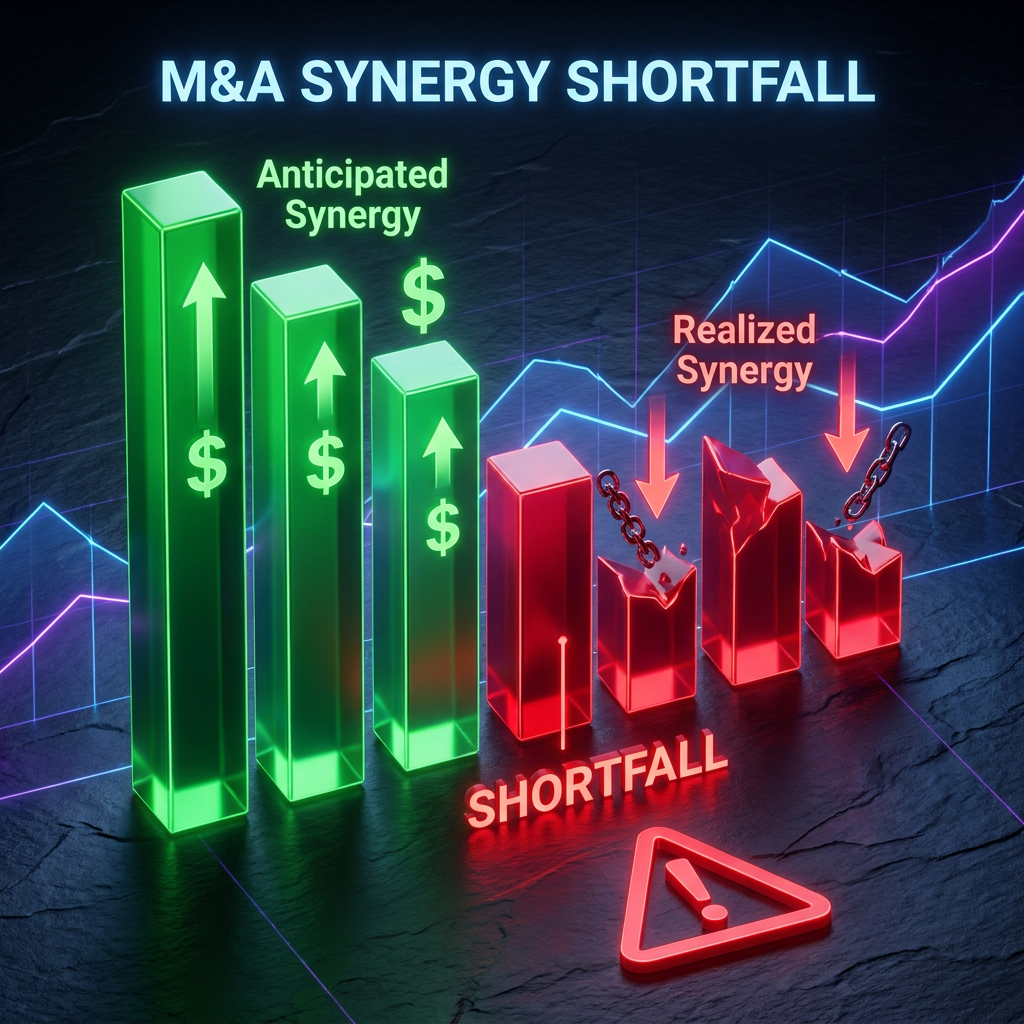
Success in M&A requires disciplined underwriting. You must discount synergy projections for execution risk and time to realisation. If a deal only works under optimistic revenue assumptions, it is not a deal; it is a gamble.

Treat post-merger integration as a core capability, not a project. Without a dedicated integration management office and clear accountability, your deal will join the 83% that failed to deliver.
Recommended for you
M&A Integration Planning for UK SMEs: The Operational Playbook That Stops Value Erosion
70% of M&A value is lost in integration. This operational playbook for UK SMEs explains how to stop value erosion using connected platforms instead of spreadsheets.
Post-Deal Value Capture: Why 70% of M&A Deals Underperform and How to Fix It | Simplif-i
70% of M&A deals fail to deliver expected value. The problem is not due diligence. It is post-deal execution. Learn the operational playbook for value capture in UK mid-market M&A.
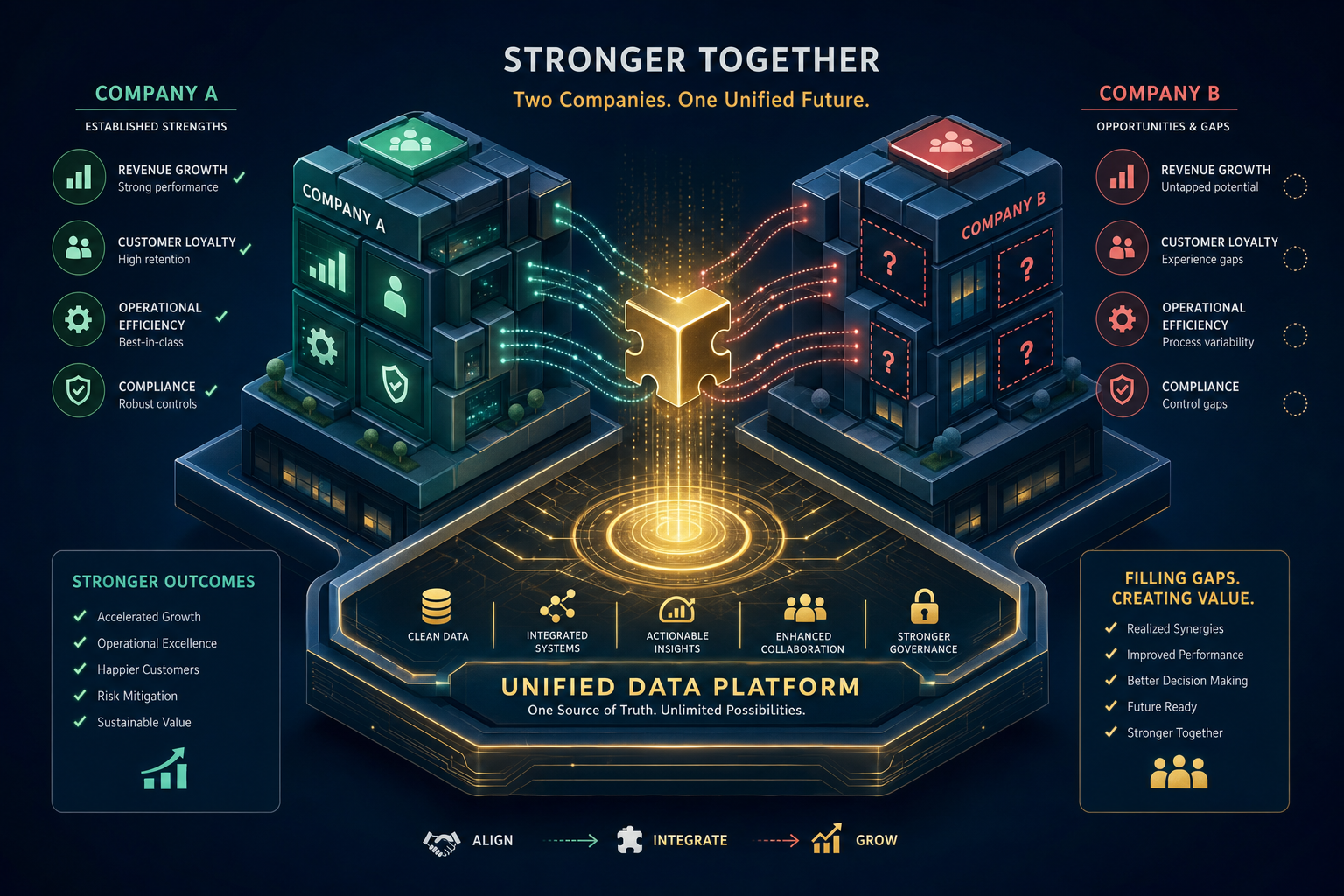
Value Protection: Protecting Post-Deal Valuation with Unified Data
Most M&A deals lose value after completion. Learn what value protection means, why unified data is the key to post-deal valuation, and how to stop the integration destroying what you paid for.
Connect due diligence and integration
Bring due diligence and integration planning together in Simplif-i.