The Deal Thesis Is Not a Value Plan
Acquisition logic is only useful when it becomes a funded, owned and measured integration plan. Convert each value hypothesis into an operating decision and evidence trail.
The Deal Thesis Is Not a Value Plan
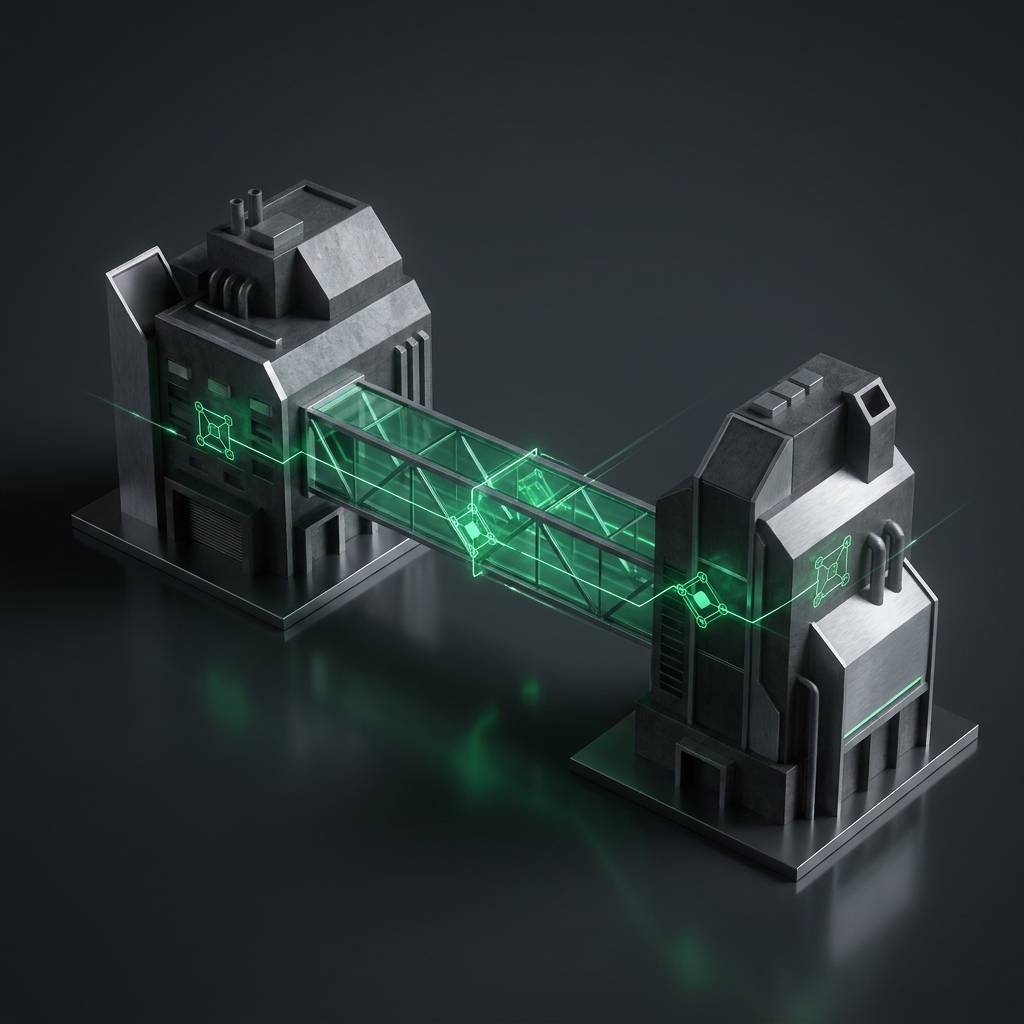
A compelling investment case can still produce a weak integration. The thesis describes value. The operating plan must make ownership, dependencies and decisions explicit.
“Cross-sell more” is not a workstream. “Consolidate platforms” is not a benefit until the cost, service risk, owner and timing are clear. If the integration team cannot connect a deal claim to a baseline, a responsible person and a decision, the value remains an assumption.
Turn each thesis into a testable plan
For every expected benefit, record the source and evidence behind it, the baseline, accountable executive, delivery owner, actions, costs, dependencies and timing. State the risks that could reduce or defer the outcome. Separate revenue opportunity, cost action, capability gain and risk reduction. They do not share the same measurement method. Do not count an intention as a realised benefit or count one benefit twice.
McKinsey’s M&A guidance emphasises connecting strategic intent, value creation and integration planning across the deal lifecycle. Its integration materials discuss master planning and value capture. Use this as a framework, not as a promise that any deal will deliver a particular return. McKinsey, M&A insights and McKinsey, Integrations
Expose dependencies before they become delays
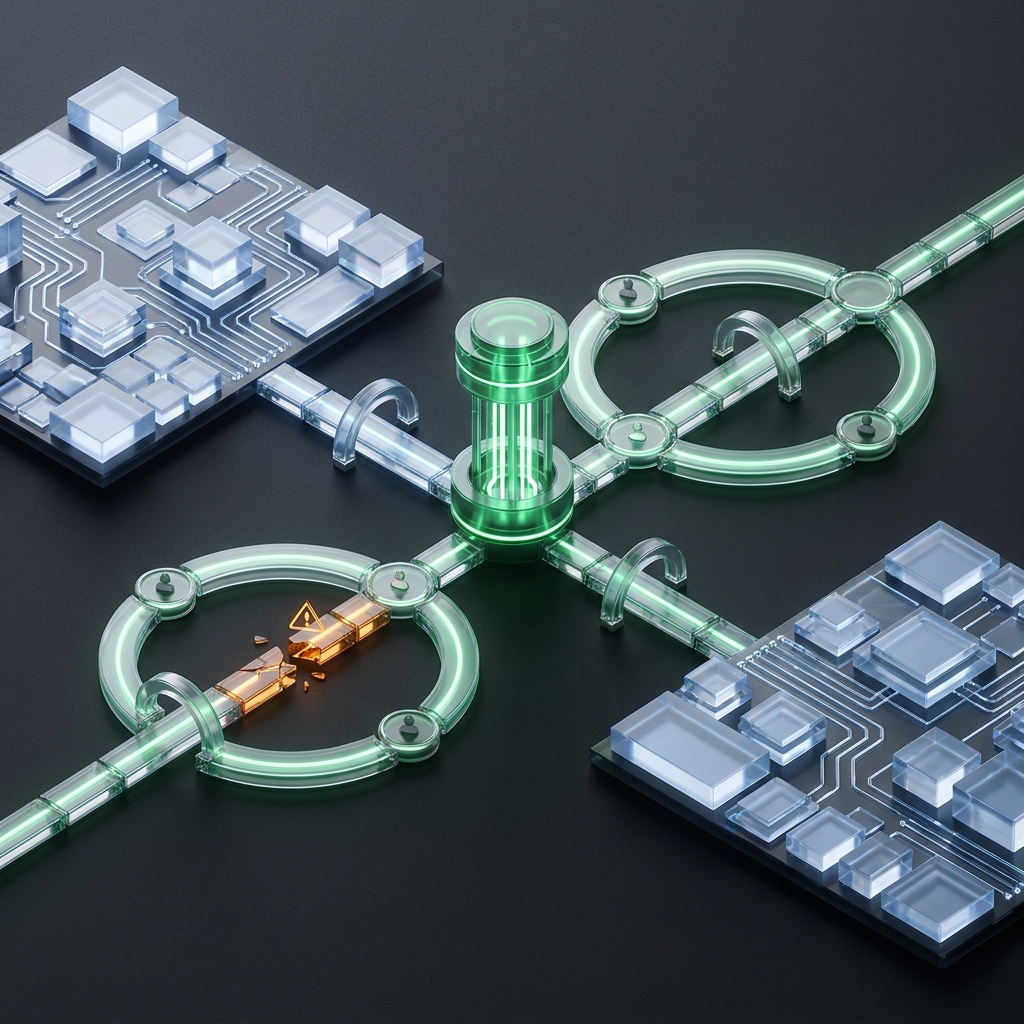
Benefits may depend on customer consent, data migration, supplier novation, system access, product approval or frontline process changes. Put dependencies on the same plan. Name an owner on both sides and set the date by which a decision is needed.
Use a decision log. Record the issue, options, recommendation, decision-maker, deadline and consequence of delay. Escalate while there is still time to act, not after the milestone has slipped.
Integration is not permission to disrupt customers or weaken controls. Define what must remain stable, what can change and what evidence will show the transition is safe. For each material change, state the operational risk, control owner and contingency route.
Review value, not just status
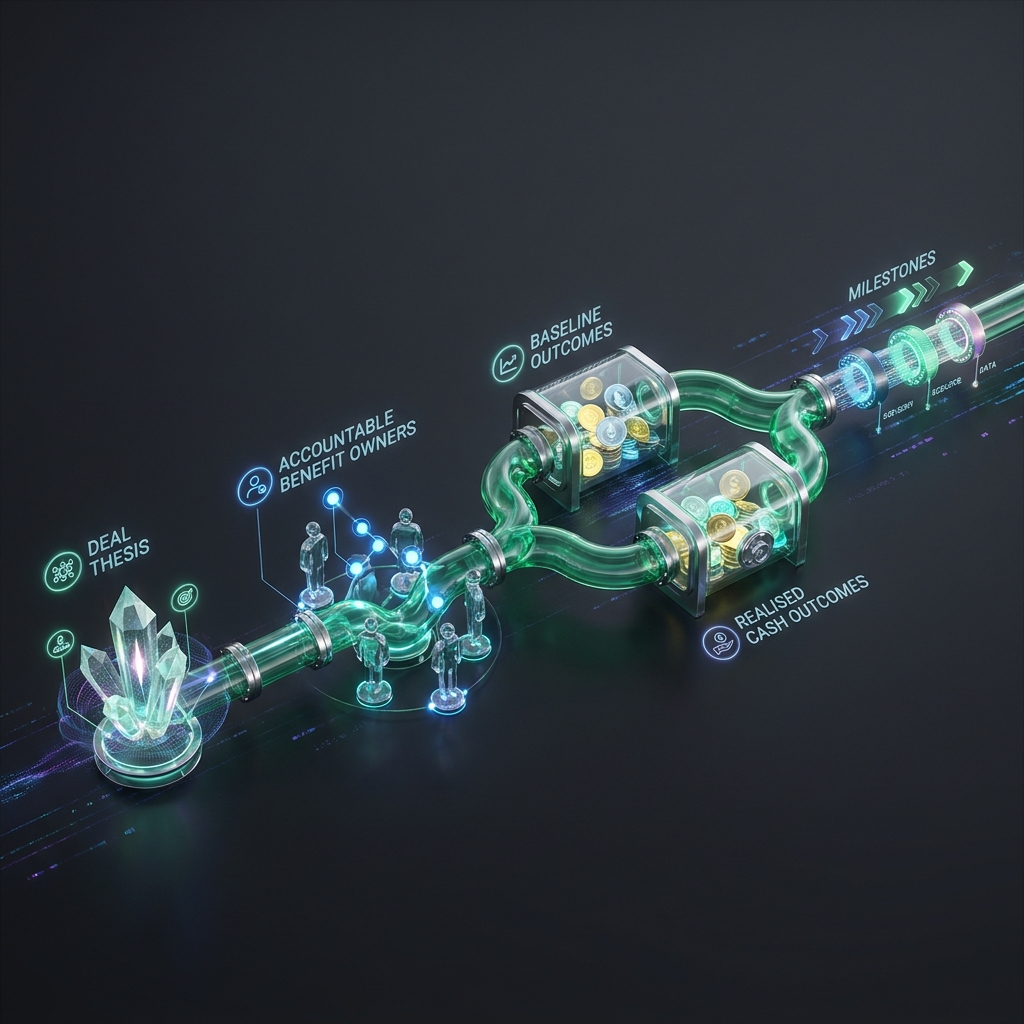
At each review, show baseline, committed actions, spend to date, forecast, realised outcome and unresolved assumptions. Distinguish booked results from estimates. When the forecast changes, explain why and name the decision required.
A disciplined integration office forces choices, exposes dependencies and keeps the value case accountable. Start before completion where possible, carry the plan through the first operating decisions and keep measuring after the transaction announcement has passed.
✨ Recommended For You
Deal Debt: Why Your Manual Data Room is Killing Integration
Manual data rooms create 'Deal Debt' that slows down integration and destroys value. Here is how to automate M&A due diligence.
Integration Velocity: Why Your Deal Success Depends on Day 0 Automation
M&A deals fail in the integration phase. Discover how Day 0 automation secures deal value and accelerates operational synergy for UK firms.
Value Protection: Protecting Post-Deal Valuation with Unified Data
Most M&A deals lose value after completion. Learn what value protection means, why unified data is the key to post-deal valuation, and how to stop the integration destroying what you paid for.
Connect due diligence and integration
Bring due diligence and integration planning together in Simplif-i.