Contract Lifecycle Management Is Broken: Why Legal Teams Need a Governance-First Approach
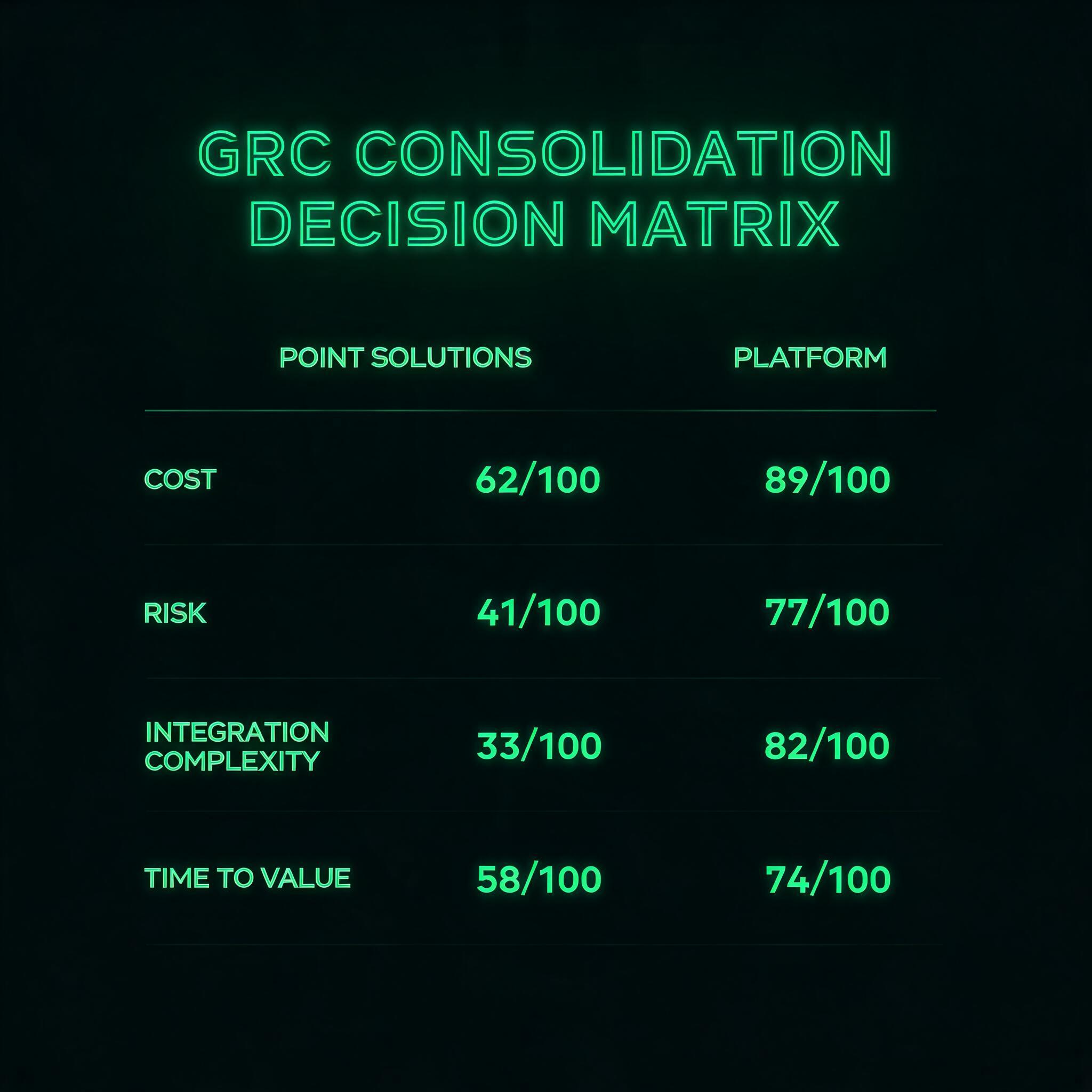
Most CLM tools focus on workflow: draft, review, approve, sign, store. They accelerate the contracting process but ignore the governance question that matters most: what obligations did we agree to, and are we meeting them? That gap between signing and compliance is where contract risk lives.
Contract Lifecycle Management (CLM) has been one of the fastest-growing categories in legal technology. The pitch is compelling: digitise the contracting process, reduce cycle times, increase throughput, and provide a searchable repository of signed agreements. The tools are sophisticated, offering clause libraries, approval workflows, AI-assisted review, and electronic signature integration.
But there is a fundamental problem with most CLM implementations: they stop at signature. The contract is drafted, negotiated, approved, signed, and stored. The CLM tool declares victory. And from that point forward, the obligations in the contract, the things the organisation has committed to do, are nobody's responsibility in any systematic way.
This is not a technology failure. It is an architecture failure. CLM tools are designed around the contracting workflow (pre-signature). They are not designed around the governance workflow (post-signature). And the governance workflow is where the real risk lives.
The Post-Signature Governance Gap
When a contract is signed, it creates obligations. Delivery obligations. Payment obligations. Reporting obligations. Compliance obligations. Confidentiality obligations. Insurance obligations. Indemnity obligations. SLA commitments. Audit rights. Termination notice periods. Renewal deadlines.
In most organisations, these obligations are managed by the operational teams responsible for the relationship, using spreadsheets, calendar reminders, and memory. The legal team that negotiated the contract moves on to the next deal. The CLM tool holds the signed document but does not track whether the obligations in it are being performed.
The consequences of this gap are predictable and expensive:
Missed deadlines. Renewal deadlines pass without action, locking the organisation into unfavourable terms for another cycle. Notice periods expire, removing termination options. Reporting deadlines are missed, creating contractual defaults.
Obligation failures. SLA commitments are not monitored, so the organisation does not know whether it is meeting its service obligations or whether its suppliers are meeting theirs. Compliance obligations are not tracked, so regulatory requirements embedded in the contract (data processing obligations, audit rights, reporting requirements) are not performed.
Commercial leakage. Volume discounts are not claimed because nobody tracks the thresholds. Price adjustment mechanisms are not exercised because nobody monitors the trigger events. Credits for service failures are not claimed because nobody measures performance against the contracted SLAs.
Risk accumulation. Insurance obligations are not renewed. Indemnity caps are not monitored against accumulated claims. Limitation periods expire without the organisation recognising it had a claim. Audit rights are not exercised, so contract compliance by the counterparty is never verified.
A 2025 study by World Commerce and Contracting (formerly IACCM) estimated that poor contract management costs organisations an average of 9.2% of annual revenue. Most of that cost is not in the contracting process (pre-signature) but in the performance management and obligation tracking (post-signature) that most CLM tools do not address.
Why Traditional CLM Cannot Solve This
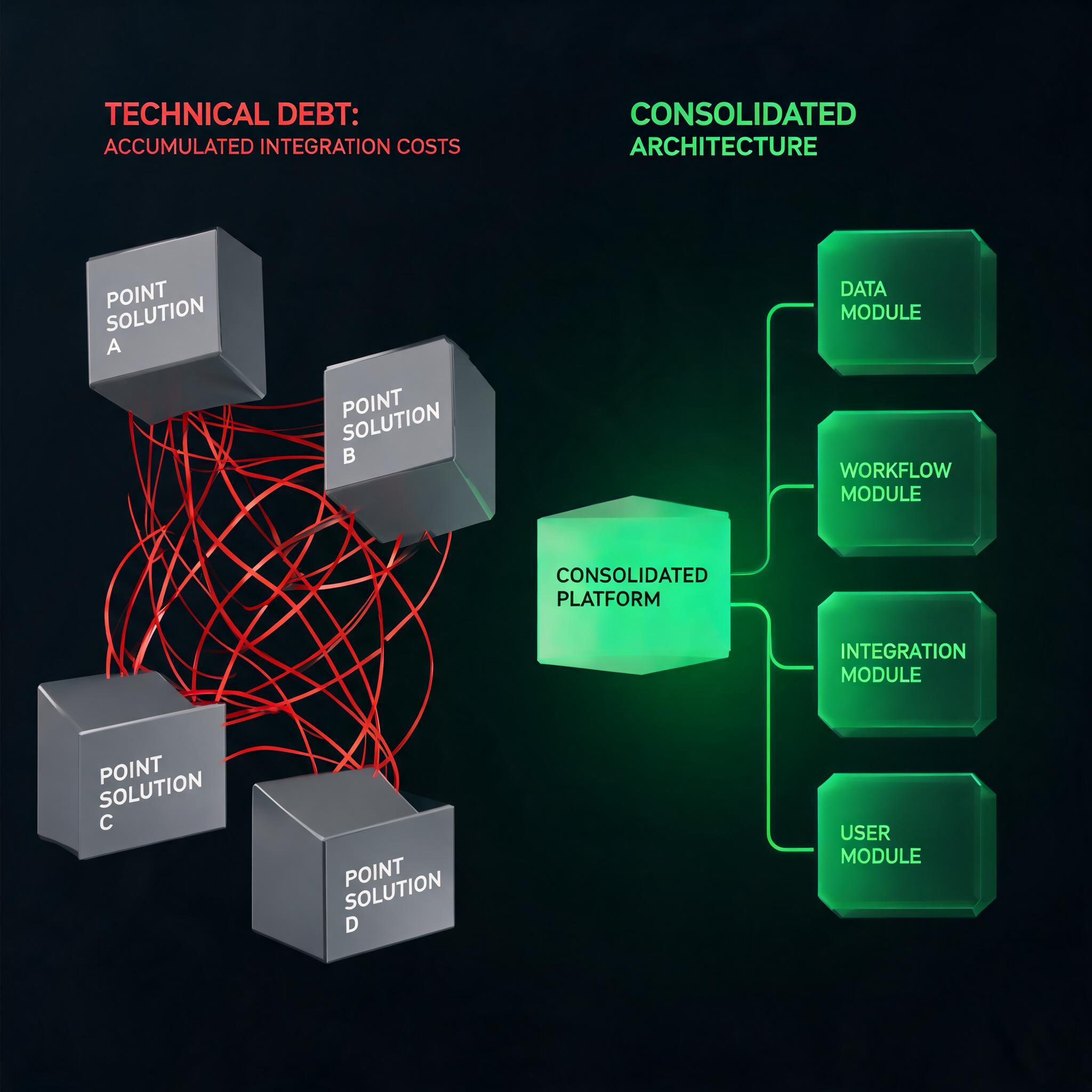
Traditional CLM tools are built around the document. The data model centres on the contract document: its metadata (parties, value, dates, status), its clauses, and its relationship to other documents (amendments, side letters, related agreements). Workflows are triggered by document events: drafting, review, approval, execution.
Post-signature governance requires a different data model built around the obligation, not the document. An obligation has an owner, a deadline, a performance standard, a verification method, and a compliance status. It may span multiple contracts (a regulatory compliance obligation that appears in every customer agreement). It may trigger other obligations (a reporting obligation that depends on data from an SLA monitoring obligation). It may connect to the enterprise risk framework (a data processing obligation that is also a GDPR compliance requirement).
This obligation-centric model cannot be bolted onto a document-centric CLM tool because the architecture is fundamentally different. CLM tools manage documents through a workflow. Governance platforms manage obligations through a compliance framework. The two functions need different data models, different workflows, and different reporting.
A Governance-First Approach to Contracts
A governance-first approach to contract management does not start with the workflow. It starts with the question: what obligations exist, and are they being met?
This approach has five components:
1. Obligation Extraction
When a contract is signed, the obligations it creates are extracted and catalogued. Each obligation is classified by type (delivery, payment, reporting, compliance, confidentiality, insurance, SLA), assigned an owner, given a deadline or performance schedule, and linked to a verification method. This extraction can be manual, AI-assisted, or a combination.
2. Obligation Ownership
Each obligation is assigned to a named owner who is responsible for performance or monitoring. Ownership is not at the contract level (the commercial manager owns the contract) but at the obligation level (the data protection officer owns the data processing obligations, the operations team owns the SLA obligations, the finance team owns the payment obligations). This granular ownership ensures that each obligation is managed by the person or team best placed to perform or monitor it.
3. Automated Monitoring and Escalation
Deadlines, renewal dates, notice periods, and performance review dates are tracked automatically. The system generates alerts at defined intervals before each date, escalates to senior management if actions are not taken, and records compliance or non-compliance for audit purposes. For SLA obligations, the system can ingest performance data and measure it against the contracted standards automatically.
4. Connected Governance
Contract obligations do not exist in isolation. A data processing obligation in a supplier contract is also a GDPR compliance requirement. An audit right is also a third-party risk management control. A regulatory reporting obligation is also a compliance calendar item. In a governance-first model, contract obligations are linked to the enterprise governance framework so that compliance is managed holistically, not in contract-by-contract silos.
5. Portfolio-Level Visibility
The organisation needs to see its total obligation exposure across all contracts, not just the obligations in any single agreement. How many SLA commitments does the organisation have, and what percentage are currently being met? How many data processing obligations exist across the supplier portfolio, and have they all been assessed for GDPR compliance? How many contracts are approaching renewal deadlines in the next 90 days, and have renewal assessments been completed? This portfolio-level view enables proactive governance rather than reactive firefighting.
How Simplif-i Delivers Governance-First Contract Management
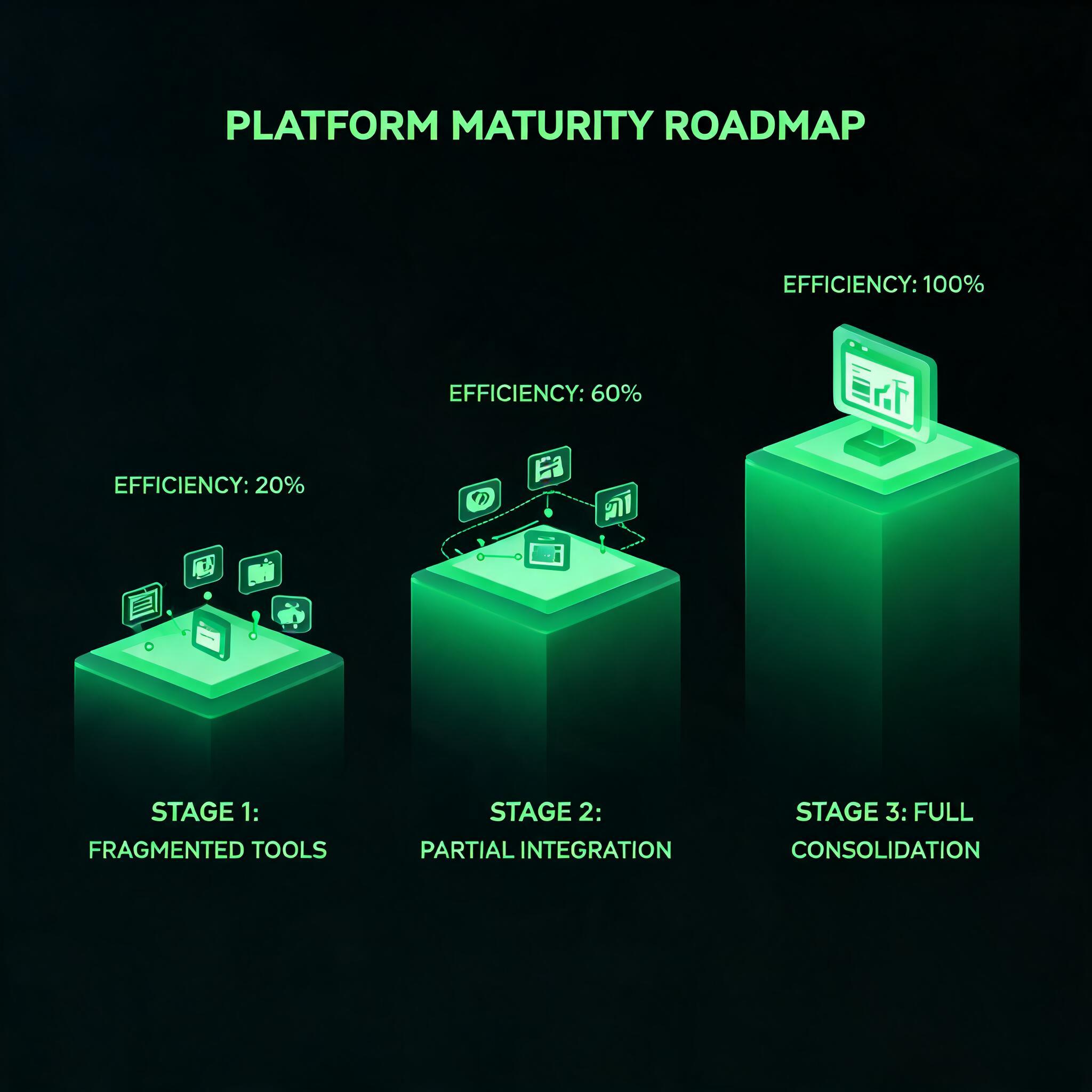
Simplif-i's contracts module is built from the ground up around the obligation model, not the document model:
-
Obligation register: Every contract obligation is catalogued with its type, owner, deadline, performance standard, and verification method. The register is searchable, filterable, and exportable, giving the legal team and operational teams a single view of all obligations across the contract portfolio.
-
Automated deadline and renewal management: The system tracks every deadline, notice period, and renewal date across the portfolio. Alerts fire at configurable intervals. Escalation sequences ensure that approaching deadlines reach the right people at the right time. Auto-renewal traps are flagged in advance so the organisation has time to make a deliberate decision rather than defaulting into another term.
-
GRC integration: Contract obligations that have governance, risk, or compliance implications are automatically linked to the relevant entries in the GRC framework. A data processing obligation links to the GDPR compliance register. A regulatory reporting obligation links to the compliance calendar. An audit right links to the third-party risk management programme. This integration ensures that contract compliance is managed as part of the enterprise governance programme, not as a separate legal function.
-
Performance dashboard: For contracts with SLA commitments, the dashboard shows current performance against contracted standards, trend over time, and cumulative credits or penalties. This gives the commercial team the data to manage supplier performance actively rather than discovering service failures retrospectively.
-
Portfolio analytics: The contracts module provides portfolio-level analytics that answer governance questions: total obligation count by type, compliance rate by category, upcoming deadlines by business unit, and exposure analysis by contract value and risk rating.
The Bottom Line
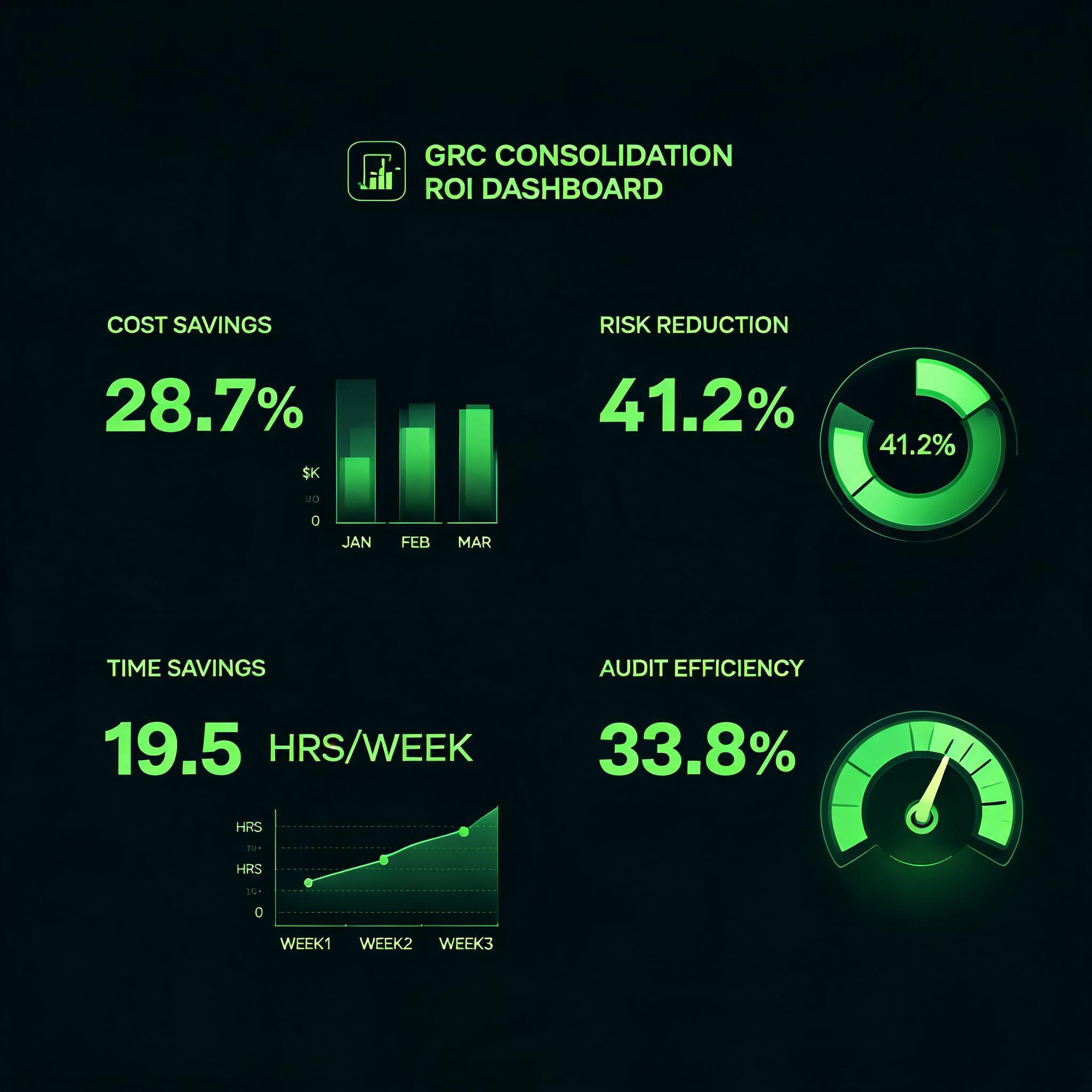
CLM tools solve the pre-signature problem: getting contracts drafted, reviewed, approved, and signed efficiently. They do not solve the post-signature problem: tracking obligations, monitoring performance, managing deadlines, and connecting contract commitments to the enterprise governance framework.
The 9.2% of revenue that organisations lose to poor contract management is not lost in the drafting process. It is lost in the performance gap between what was signed and what is actually done. That gap requires a governance-first approach to contracts, not a faster workflow.
If your CLM tool stops at signature, your contract management stops where the risk begins.
Compliance, simplif-i'd.
✨ Recommended For You
CLM for Scaling SMEs: When Contract Management Becomes a Growth Bottleneck | Simplif-i
Scaling UK SMEs hit a contract management wall between 20 and 100 employees. Learn why CLM is the operational infrastructure that turns contract chaos into growth velocity.
Contract Renewal Risk & Penalty Clauses: A UK SME Survival Guide | Simplif-i
UK SMEs face tightening penalty clause regulations and renewal traps that cost thousands. Learn how to identify, track, and neutralise contract risk before it hits your bottom line.
Managing Vendor Contracts Across State Lines: CLM for US SMEs That Actually Works
US SMEs lose thousands managing vendor contracts across multiple states. Learn how contract lifecycle management eliminates compliance gaps, missed renewals, and operational drag. COO in a Box from $190/month.