The 9.2% Leak: Why Your Contracts Are Costing You More Than Your Tax Bill
UK businesses lose 9.2% of annual revenue through contract mismanagement. Learn how to stop the commercial hemorrhage today.
Commercial Negligence is Not an Expense
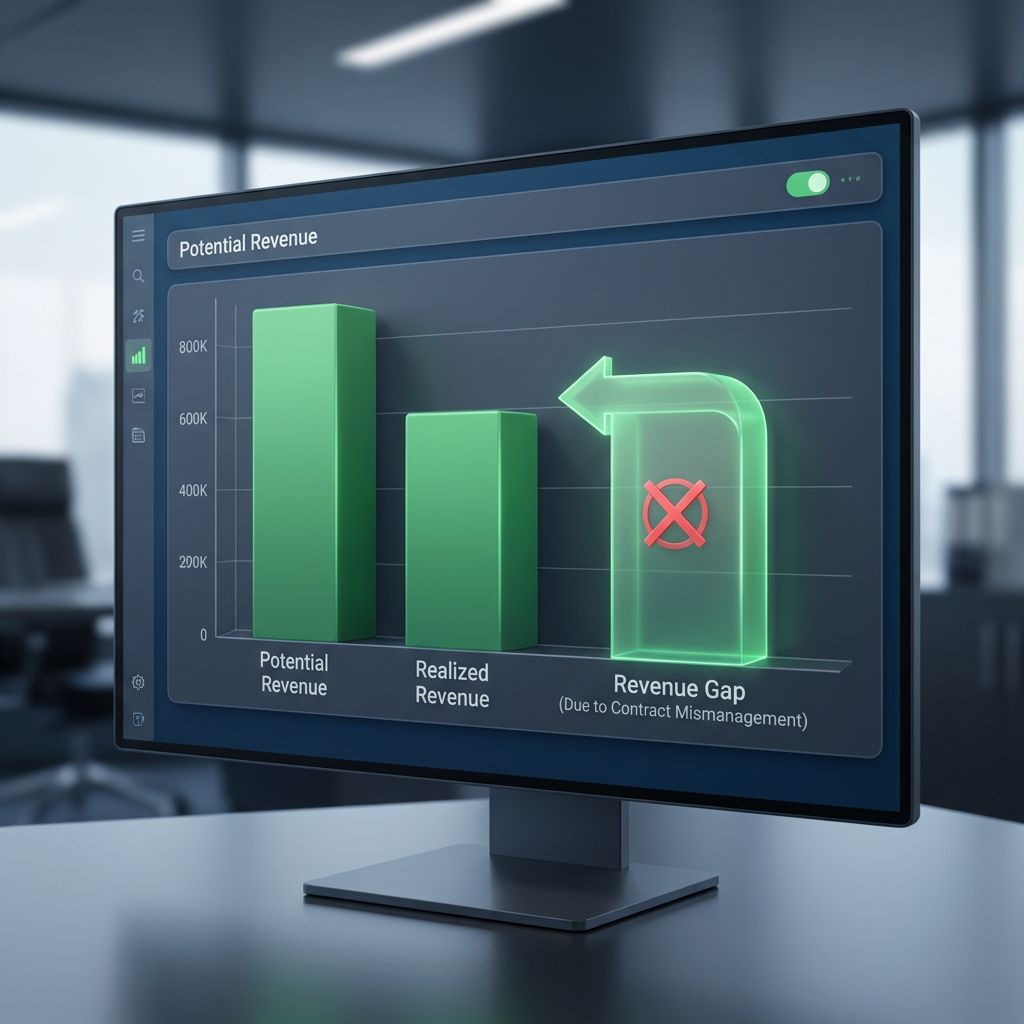
Most UK businesses are hemorrhaging 9.2% of their annual revenue through pure commercial negligence. If you are not tracking your obligations, you are effectively writing a blank check to your suppliers and a 'get out of jail free' card to your underperforming vendors.
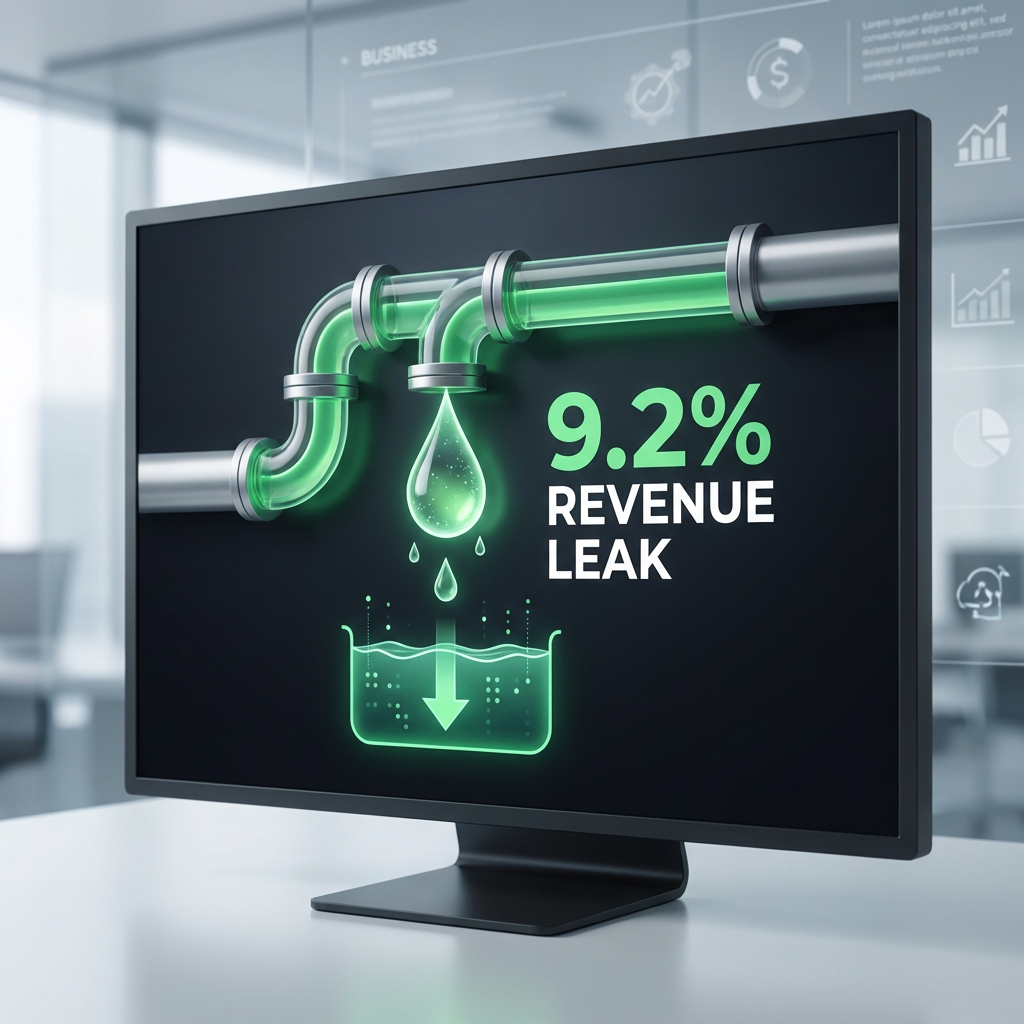
The $2 Trillion Global Oversight
The World Commerce & Contracting body confirmed that poor contract management costs the global economy over $2 trillion annually. In the UK, this manifests as missed renewal windows, unfavorable price escalations, and unrecovered service credits.

Audit-Ready Rigour
A contract is not a document to be filed and forgotten. It is a live risk profile. Lead auditors do not look at your intentions; they look at your evidence. If your contract repository is a shared drive or an Excel sheet, you are already failing.

The ROI of Control
Stopping the leak is the fastest way to improve your bottom line without selling a single new unit. By centralizing obligation management, firms can recover up to 5% of their total spend in year one.
✨ Recommended For You
Stop Managing Contracts in Spreadsheets | CLM for UK SMEs | Simplif-i
UK SMEs lose £thousands annually to spreadsheet-based contract management. Learn why a unified CLM platform eliminates renewal risk, manual errors, and operational drag. From £49/month.
Stop Leaking Cash: Why Your Contract Management is a Commercial Liability
Your contracts are not just legal files; they are the financial skeleton of your business. If you are not managing them proactively, you are losing ROI every single day through missed renewals and uncaptured obligations.
Contract Renewal Risk & Penalty Clauses: A UK SME Survival Guide | Simplif-i
UK SMEs face tightening penalty clause regulations and renewal traps that cost thousands. Learn how to identify, track, and neutralise contract risk before it hits your bottom line.