Synergy Suicide: Why 83% of UK Mergers are Dead on Arrival in 2026
Understand the root causes of post-merger integration failure and how to secure synergy delivery in the 2026 regulatory landscape.
Most CEOs buy companies to grow. In reality, most CEOs buy companies to destroy value.
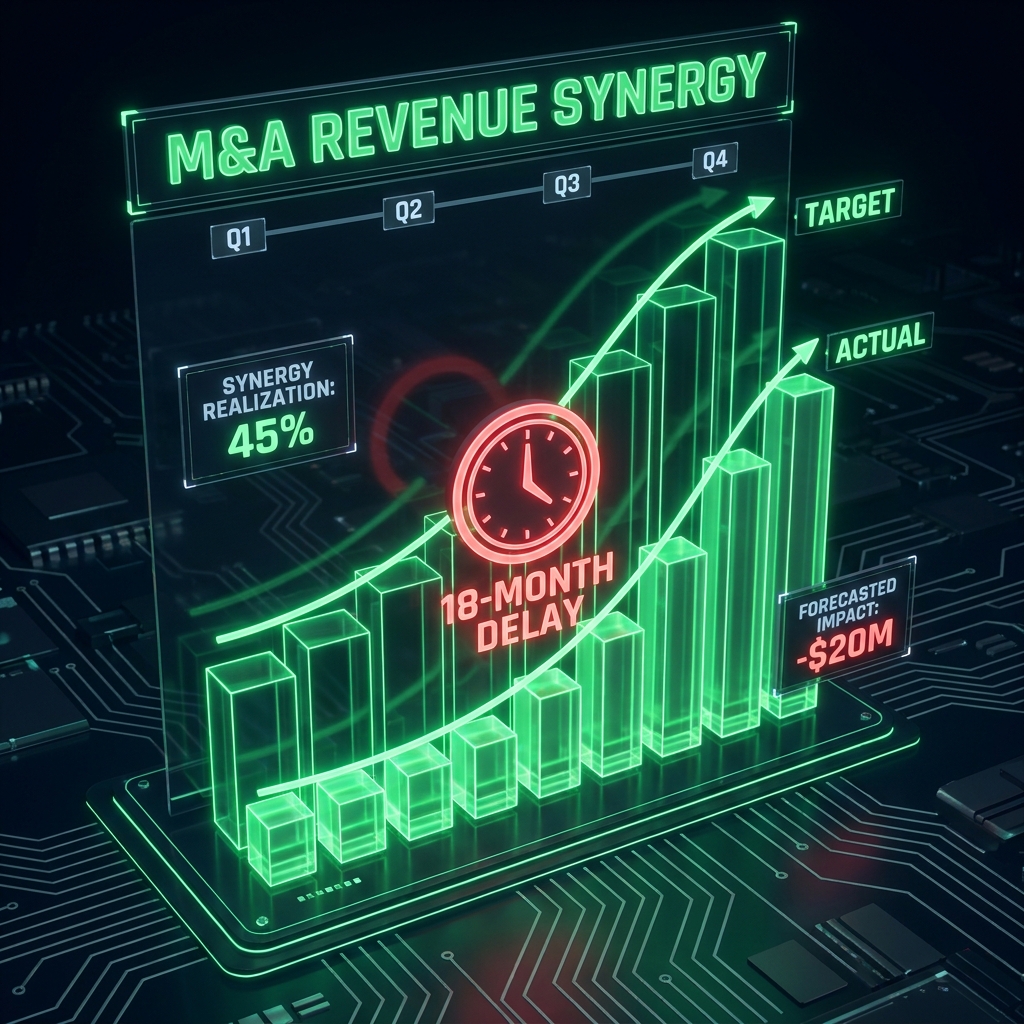
According to 2025 KPMG data, 83% of mergers fail to deliver the synergies promised at the time of the deal. By 2026, this 'synergy suicide' has become the default outcome for mid-market acquisitions. You spend eighteen months chasing a deal only to spend three years watching the revenue synergies arrive late, if at all.

The failure isn't in the strategy. It's in the execution. Most integration plans are nothing more than optimistic spreadsheets. They ignore the cultural friction, the system incompatibility, and the sheer administrative weight of combining two disparate entities.

Regulatory risk allocation is another silent killer. In 2026, cross-border deals are subject to unprecedented scrutiny. If you haven't mapped your regulatory exposure before the ink is dry, you are walking into a minefield.

Success in M&A requires a Lead Auditor mindset. You don't hope for synergies. You engineer them. You don't wait for 18 months. You deliver in 90 days. Anything less is just expensive vanity.
✨ Recommended For You
Deal Debt: Why Your Manual Data Room is Killing Integration
Manual data rooms create 'Deal Debt' that slows down integration and destroys value. Here is how to automate M&A due diligence.
Value Protection: Protecting Post-Deal Valuation with Unified Data
Most M&A deals lose value after completion. Learn what value protection means, why unified data is the key to post-deal valuation, and how to stop the integration destroying what you paid for.
Post-Merger Integration Planning Guide
How to plan and execute successful post-deal integration that captures intended value.