Dependency Risk Is the New Vendor Risk: Why Your GRC Is Outdated
In 2026, managing systemic dependency is the only way to ensure resilience.
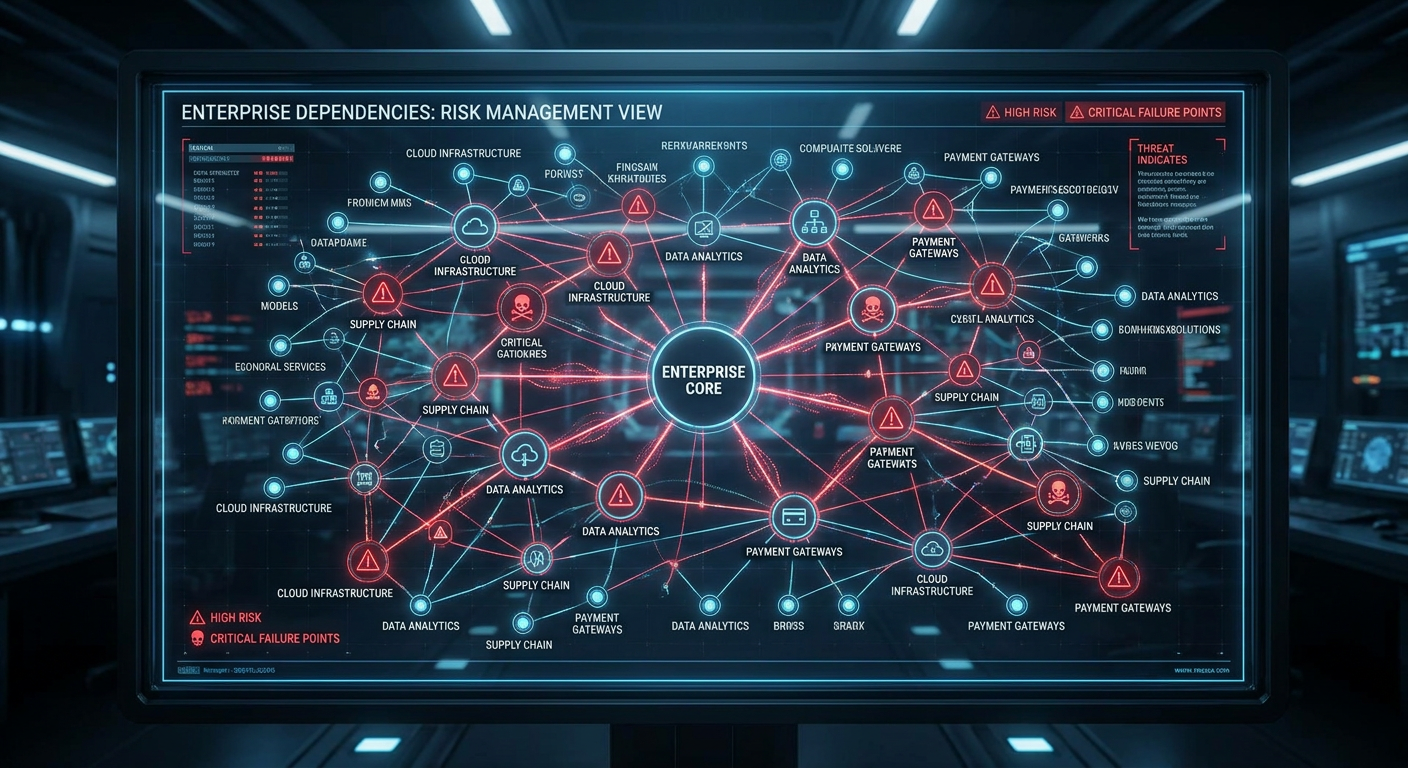
Vendor risk management used to be about sending out a questionnaire once a year. That approach is dead. In 2026, your business is a web of dependencies.
You don't just have vendors; you have dependencies. And those dependencies need continuous, not periodic, monitoring.
What is Enterprise Dependency Risk?
Definition: Enterprise Dependency Risk is the systemic exposure created when critical business functions rely on third-party providers whose failure would cause immediate operational paralysis.

The ROI of GRC is in the avoidance of catastrophic failure. It is the cheapest insurance you will ever buy.
Action List for GRC Leaders:
- Segment by criticality. Not all vendors are equal. Focus 80% of your effort on the 20% that matter.
- Automate sanctions screening. With the new OFSI framework, manual checks are a legal liability.
- Implement continuous monitoring. Use live data feeds to spot risk before it manifests.
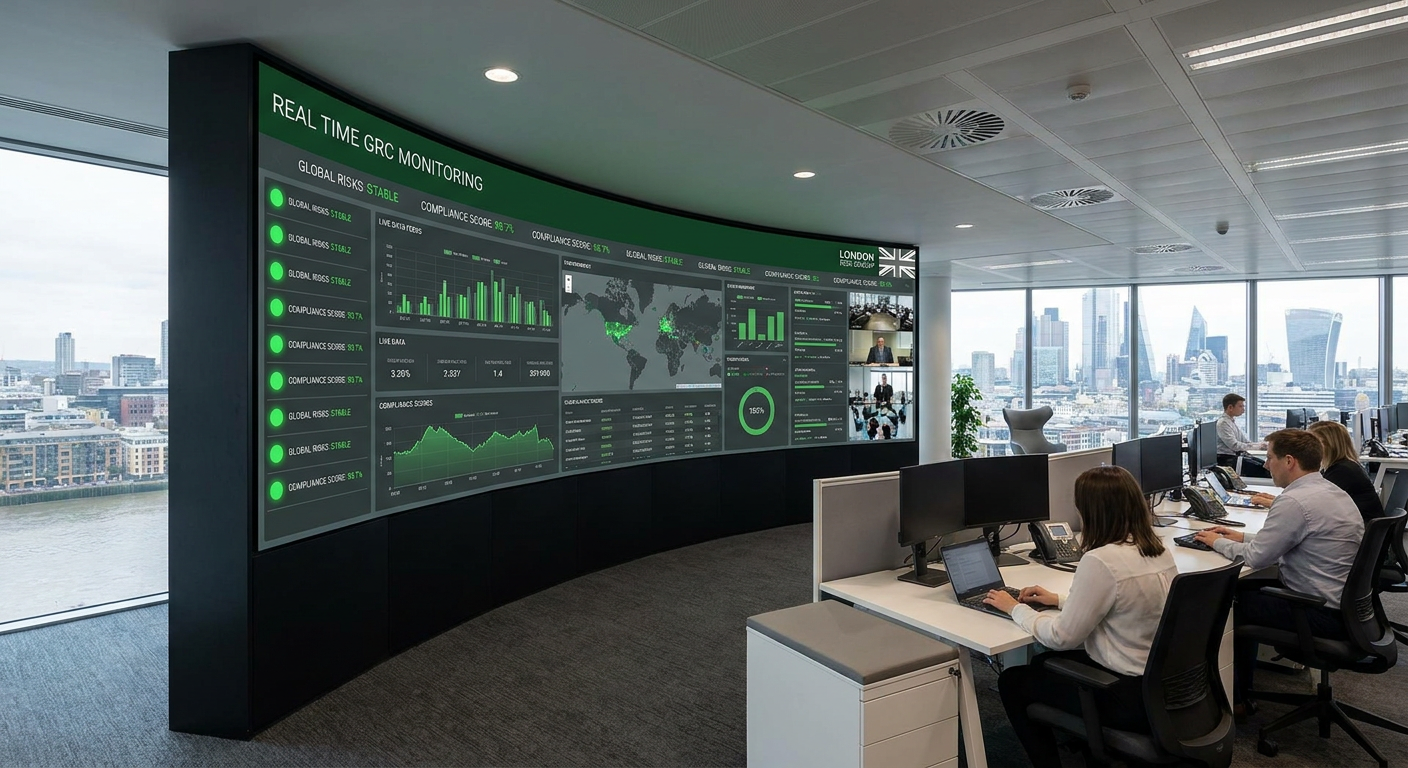
Get full GRC capability for £149 as a Founding Member. It is a fraction of the cost of a single breach.
✨ Recommended For You
How to ensure compliance: A streamlined GRC guide
Discover how to ensure compliance with our streamlined GRC guide. Transform your compliance process into a proactive, efficient function today!
Audit Readiness as a Service: Turning GRC from Cost to Capital
Compliance should not be a once-a-year scramble. Learn how continuous GRC monitoring turns audit readiness into a competitive advantage.
Compliance is Your Secret Weapon: Turning GRC Into a Sales Enabler
Governance, Risk, and Compliance is usually seen as a cost centre. In the mid-market, it is actually a profit centre. Organisations that can prove their compliance win bigger deals faster by removing friction from the sales cycle.