Company secretarial compliance has historically been the quiet corner of corporate governance. File the annual return (now the confirmation statement). Maintain the statutory registers. Ensure board meetings have proper notice. Keep the registered office details current. None of it was difficult. Most of it was administrative.
That era is over. The Economic Crime and Corporate Transparency Act 2023 (ECCTA), which has been rolling out in phases through 2024, 2025, and into 2026, has fundamentally changed the company secretarial compliance landscape. Companies House is no longer a passive filing repository. It is becoming an active gatekeeper with verification powers, data-sharing authority, and the ability to query and reject filings that do not meet quality standards.
For company secretarial professionals and the organisations that employ them, this means the administrative function of the past must become a governance function for the future. And the tools, processes, and oversight that served the old world are not adequate for the new one.
The most significant change is the introduction of mandatory identity verification for directors, persons with significant control (PSCs), and those filing on behalf of companies. Under the new regime, directors must verify their identity with Companies House before they can be appointed. Existing directors are required to verify during a transition period that extends into 2026.
This is not a one-time registration. Identity verification creates a persistent link between the individual and Companies House. If a verified person's details change, the update flows through all their associated company records. If a verified person is associated with a company that is under investigation, that link is visible to Companies House and to law enforcement agencies through the data-sharing provisions of ECCTA.
For company secretarial functions, this means managing a new compliance requirement: ensuring that every director and PSC has completed identity verification, tracking the verification status of incoming directors, and managing the transition of existing directors who have not yet verified.
Companies are now required to provide and maintain a registered email address with Companies House, similar to the registered office address. This email address is used by Companies House for official communications, including queries about filings, notices of compliance action, and verification requests.
The practical implication is that this email address must be actively monitored. A Companies House query sent to a registered email that nobody reads creates a compliance risk that can escalate to enforcement action.
Companies House now has the power to query, reject, and remove information from the register that it believes is inaccurate or fraudulent. This is a fundamental shift from the previous model where Companies House accepted whatever was filed without verification. Filings that contain inconsistencies, incomplete information, or data that contradicts other information on the register can be queried and rejected.
For company secretarial functions, this means filing quality matters in a way it did not before. A confirmation statement that contains errors or inconsistencies may be rejected, creating a compliance failure that is visible on the public register. The company secretarial function must implement quality checks before filing, not rely on Companies House to accept whatever is submitted.
The transition to software-only filing for accounts is progressing, and the permitted formats are narrowing. Companies above the micro-entity threshold will need to file in iXBRL format, and the tagging requirements are becoming more granular. This affects company secretarial functions that coordinate accounts filing, as the technical requirements for compliant filing have increased significantly.
The Register of Overseas Entities, introduced under the Economic Crime (Transparency and Enforcement) Act 2022 and enhanced by ECCTA, requires overseas entities that own UK property to register with Companies House and disclose their beneficial owners. Annual update statements are required, and the verification requirements align with the domestic identity verification regime. For groups with overseas entities holding UK property, this creates an additional company secretarial compliance obligation that must be tracked and managed.
These changes transform company secretarial compliance from an administrative task into a governance function for three reasons:
First, the consequences of non-compliance have increased. Companies House's new powers include the ability to impose financial penalties for filing failures, share information with law enforcement, and annotate the public register with compliance concerns. A company that misses filing deadlines or submits inaccurate information is no longer just paying a late filing penalty. It may face queries, annotations, and in serious cases, referral to law enforcement agencies under the data-sharing provisions.
Second, the compliance requirements are now continuous, not periodic. Identity verification, registered email monitoring, filing quality management, and overseas entity updates are ongoing obligations that require active management throughout the year. The old model of annual filing with occasional board changes is no longer adequate.
Third, company secretarial data feeds into the broader governance framework. Director verification status affects board composition governance. PSC verification affects beneficial ownership transparency. Filing quality affects corporate reputation. Overseas entity compliance affects group structure governance. These are not isolated administrative tasks. They are governance data points that the board and its committees need to oversee.
Most company secretarial functions manage their obligations using a combination of spreadsheets, calendar reminders, and manual filings through the Companies House portal. This approach was adequate when the obligations were simple and periodic. It is not adequate for the current regime.
The technology gap manifests in several ways:
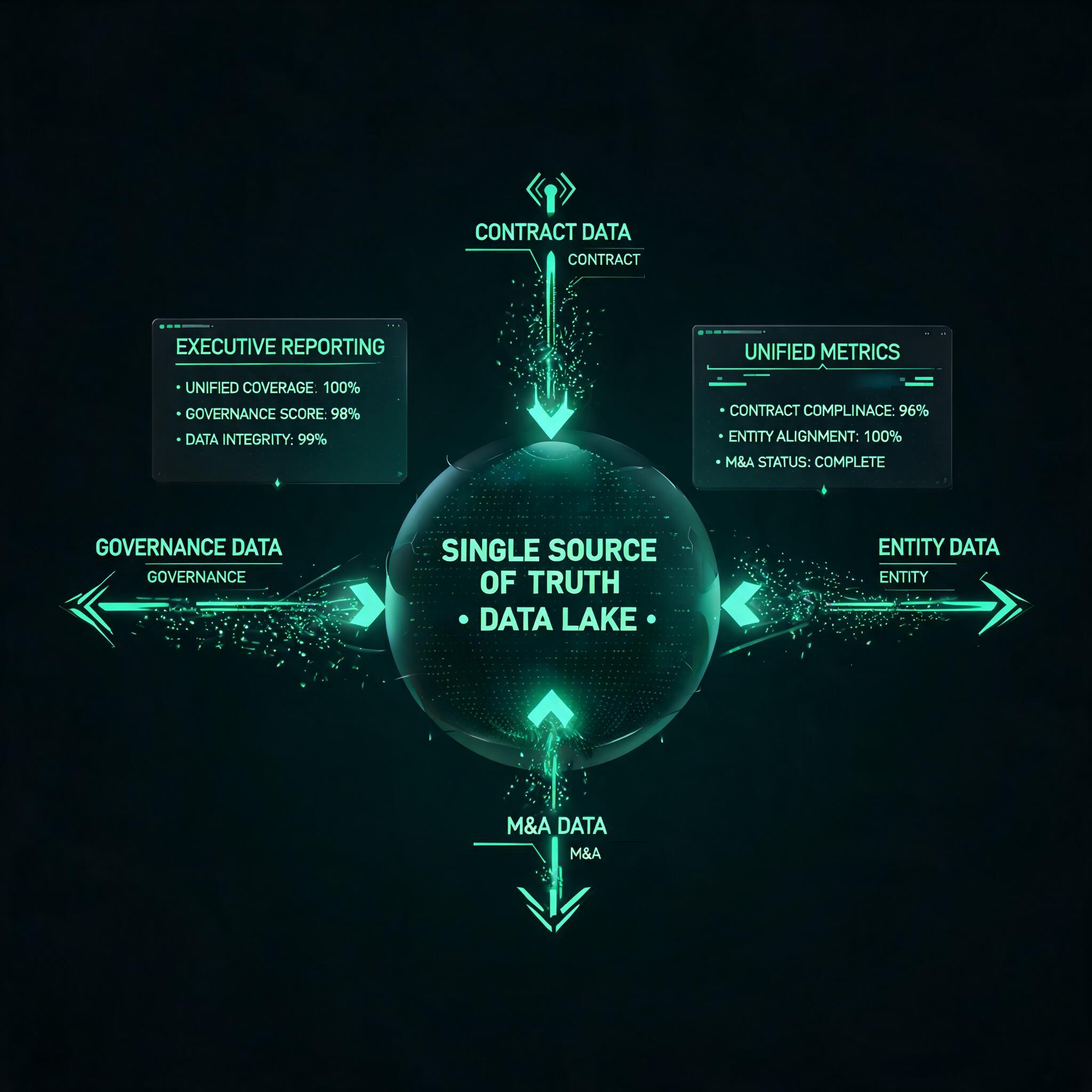
Simplif-i's company secretarial module is designed for the post-ECCTA environment. It provides the governance layer that the new regime demands:

The company secretarial world has changed permanently. ECCTA and the Companies House reforms have raised the bar from administrative compliance to active governance. Identity verification, filing quality, continuous monitoring, and data-sharing with law enforcement mean that the consequences of getting company secretarial compliance wrong are no longer limited to late filing penalties.
If your company secretarial function operates on spreadsheets and calendar reminders, you are managing 2026 obligations with 2015 tools. The compliance gaps are there. Companies House now has the power and the mandate to find them.
Governance-grade company secretarial compliance requires governance-grade technology. That is what Simplif-i delivers.
Compliance, simplif-i'd.
--- Source: https://simplif-i.com/api/blog/readable/company-secretarial/company-secretarial-compliance-2026-governance-framework Web Version: https://simplif-i.com/blog/company-secretarial/company-secretarial-compliance-2026-governance-framework © Simplif-i - Unified Business Management Platform